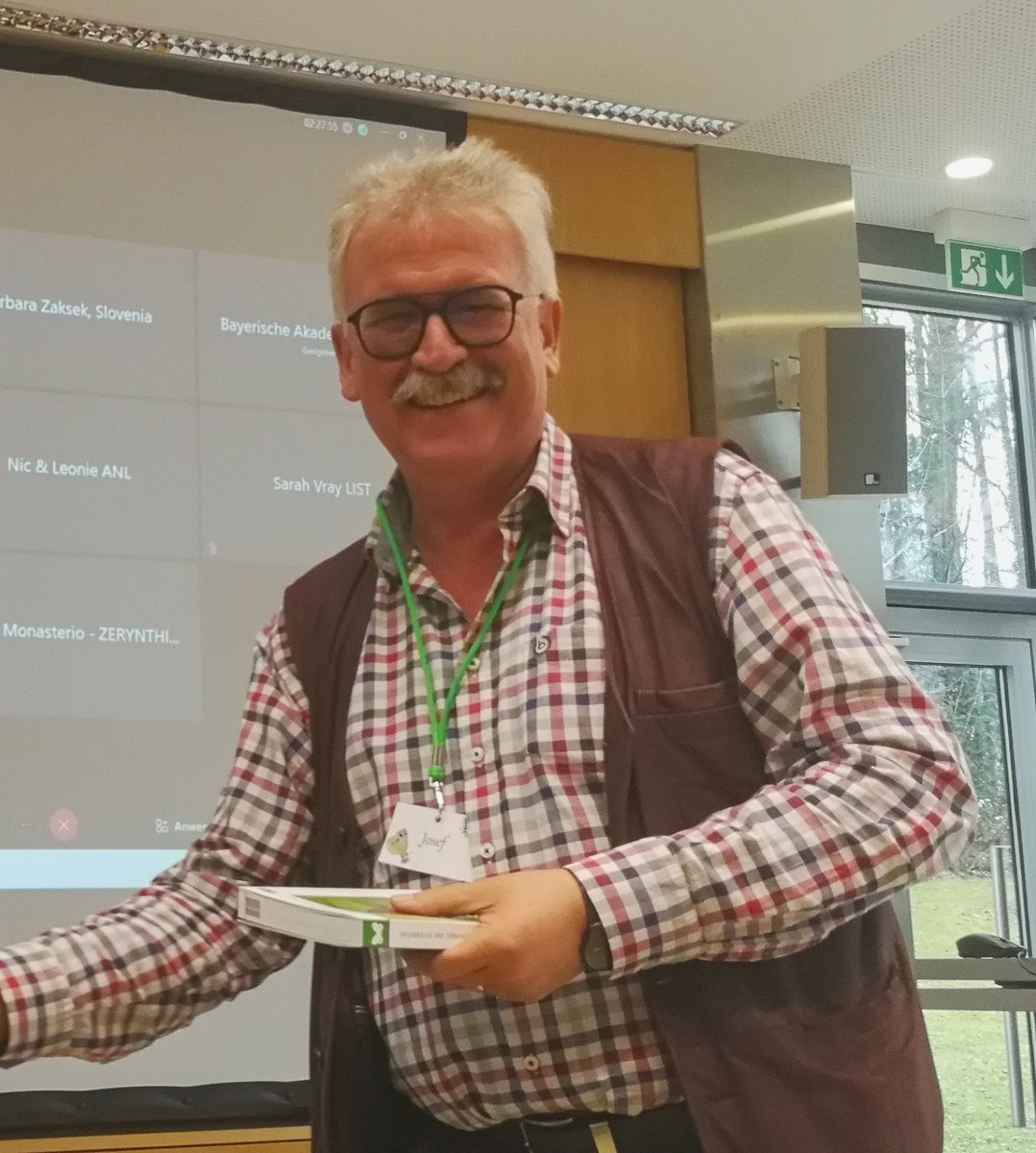
In Memoriam: Josef (Sepp) Settele
It is with great sadness that we report the death of founding Board member and long-standing supporter and advisor, Josef Settele, known to his friends as Sepp. He passed away suddenly on 9th October 2026 at the young age of 65. Everyone at BC Europe wishes to send our deep condolences to all his family, friends and work colleagues.
Josef studied butterflies for decades and undertook some ground-breaking research on butterflies, including work on the Phengaris species (Large Blues) and his beloved Lycaena dispar (Large Copper). Josef has been a driving force in conserving butterflies in Germany. He set up the German Butterfly Monitoring Scheme in 2005 and helped it grow into one of the largest schemes in Europe. He shared all his knowledge with us when he helped found Butterfly Conservation Europe in 2004, bringing warmth and humour as well drive and passion. He served as Chair from 2007-11 and remained as a highly valued advisor in subsequent years. During his enormously busy life he found time to write several books on butterflies, including the Climatic Risk Atlas of European Butterflies (2008), the Ecology of Butterflies in Europe (2009), and the Butterflies of Germany (2000). In 2022 he was awarded the Marsh Award for European Lepidoptera Conservation.
For us at BC Europe, Josef was best known as a researcher on butterflies, but he was a giant on the international biodiversity stage. He was a tireless advocate for better-informed policy and action for people and for nature. Josef was Lead Author for the chapter "Terrestrial Ecosystems and Inland Waters" in the IPCC's Fifth Assessment Report (2015). He was also an active member of the Intergovernmental Science-Policy Platform on Biodiversity and Ecosystem Services (IPBES), where he was Co-Chair of the IPBES Global Assessment, a landmark report that put biodiversity at the centre of the global societal agenda.
At the Helmholtz Centre for Environmental Research (UFZ) in Germany, he headed the Department of Conservation Biology & Social-Ecological Systems and secured several large grants to study the highly threatened Phengaris (Large Blue) species in Europe (MACMAN) and ran a project called ALARM, which was then the largest EU project on terrestrial biodiversity research, involving 67 partners from 35 countries.
More recently Josef ran the SPRING project aimed at creating a Pollinator Monitoring Programme across the whole of Europe, much of which has since been built into the EU's Nature Restoration Regulation and the EU Pollinator Monitoring Scheme that will be rolled out from 2027. Since 2014, Josef has been ranked among the world's most influential scientists in his field in the annual "Highly Cited Researchers" ranking.
Josef built up a vast network of friends and colleagues around the world and had a huge breadth of knowledge about ecology and sustainable land use. He was a great communicator and passionate about the need to protect nature, not just for its own intrinsic value but because he knew all too well that it was vital to sustain human life on earth. He was known for his warmth and dry sense of humour, and was equally at home whether he was talking to Presidents and politicians as to researchers and students.
Despite an acute knowledge of the threats facing the natural world in the modern era, Sepp always remained optimistic and in 2025 wrote a book entitled Keine Zeit fur Pessimismus (No Time for Pessimism). He often parted meetings with a cheery wave, saying 'never give up'. That's how all of us at BCE will try to remember him, an indomitable fighter for nature - NEVER GIVE UP.
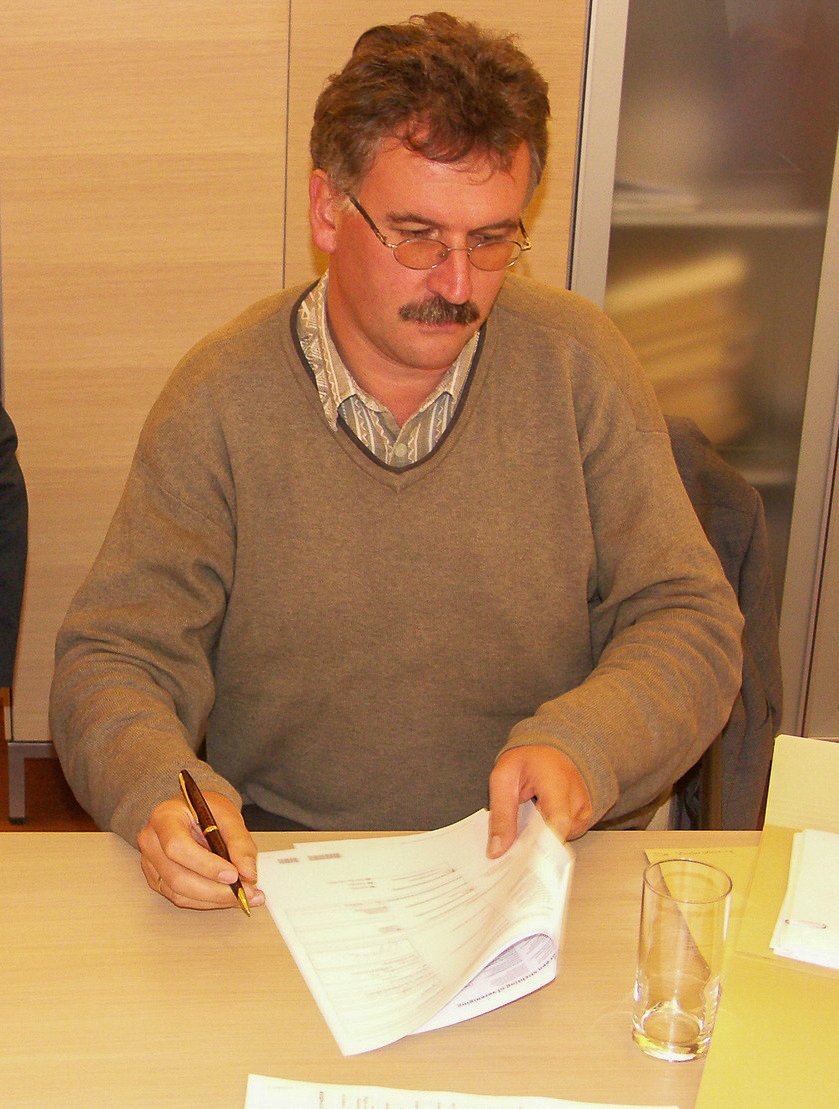
Josef signing BCE statutes at Notary, near Wageningen, 2004